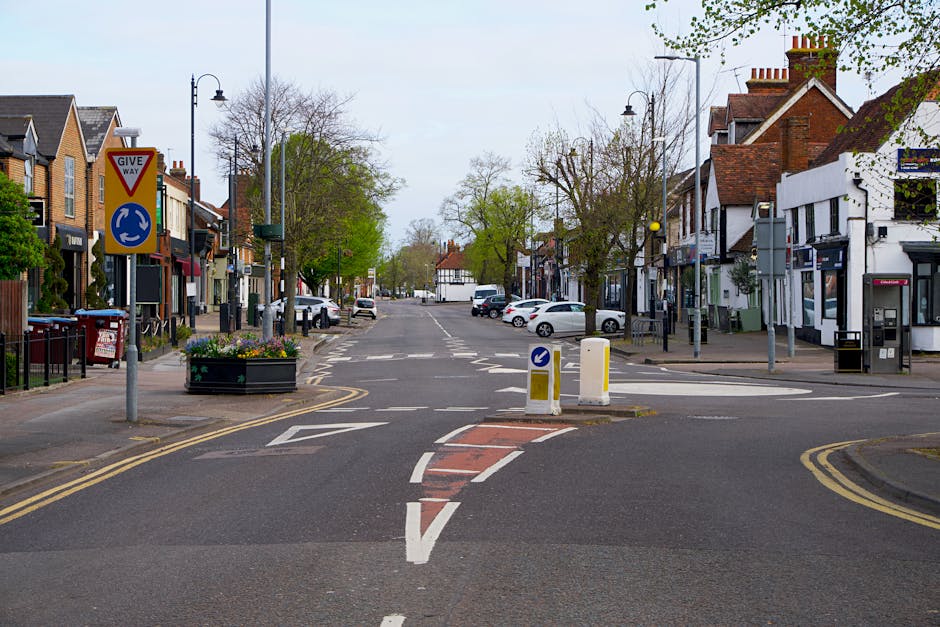
Ealing Road Moving Tips and Cheap Removals in Alperton
If you are planning a move around Ealing Road, you already know the mix of benefits and headaches that come with it: handy transport links, busy streets, tight parking, and the very real need to keep costs under control. That is exactly why Ealing Road moving tips and cheap removals in Alperton matter so much. A well-planned move here can save time, reduce stress, and stop small problems from turning into expensive ones.
In this guide, you will find practical moving advice for Alperton and the Ealing Road area, along with a clear look at how to keep removals affordable without cutting corners on care, safety, or reliability. We will cover planning, packing, vehicle choice, local access issues, and the smart decisions that help you move quickly without the usual chaos. To be fair, moving day rarely goes perfectly, but it can go a lot better than people expect.
For readers comparing options, it also helps to understand the different kinds of support available, from simple man with van jobs to fuller house removals and even office removals. Choosing the right fit is often the difference between a cheap move and a false economy.
Table of Contents
- Why Ealing Road moving tips and cheap removals in Alperton Matters
- How Ealing Road moving tips and cheap removals in Alperton Works
- Key Benefits and Practical Advantages
- Who This Is For and When It Makes Sense
- Step-by-Step Guidance
- Expert Tips for Better Results
- Common Mistakes to Avoid
- Tools, Resources and Recommendations
- Law, Compliance, Standards, or Best Practice
- Options, Methods, or Comparison Table
- Case Study or Real-World Example
- Practical Checklist
- Conclusion
- Frequently Asked Questions
Why Ealing Road moving tips and cheap removals in Alperton Matters
Ealing Road is not the sort of place where you can just wing it and hope for the best. It is active, well-used, and often busy at the exact moments you need a van to arrive, park, load, and leave again. If you are moving in or out of the area, a bit of local awareness goes a long way. Cheap removals are only truly cheap when the move is planned properly, because delays, parking issues, damaged items, and second trips can quietly push the bill up.
There is another reason this topic matters: many people assume all removals are basically the same. They are not. A small flat move, a family house move, a student relocation, and a business transfer all need different levels of support. On Ealing Road, where access can be tricky and timing can matter, you want a service that matches the job rather than overcharging for unnecessary extras. That is where sensible preparation pays off.
It also matters because moving is one of those jobs where people often underestimate the emotional load. A few boxes, a staircase with awkward angles, one sofa that seems to have been designed by a prankster - and suddenly you are exhausted. Good moving tips reduce the friction. Cheap removals reduce the financial sting. Put them together and the whole day feels manageable, even if the kettle is the last thing to be packed.
Expert summary: The cheapest move is not always the lowest quote. It is the move that is planned well, sized correctly, and carried out without unnecessary time loss or damage.
How Ealing Road moving tips and cheap removals in Alperton Works
At a practical level, the process starts with understanding what you need to move, where everything is going, and how accessible both addresses are. That sounds obvious, but it is the part people often skip. Once you know the basics, you can decide whether a smaller vehicle, a standard man and van setup, or a more complete team is the better option.
Cheap removals usually work best when the job is right-sized. For example, a one-bedroom move with clearly packed boxes, dismantled furniture, and easy access may only need a compact van and one experienced mover. A larger household with wardrobes, white goods, and fragile items may need a bigger vehicle or more than one person to keep everything moving smoothly. If you force a small van to do a big job, you may end up paying for multiple runs. Not ideal.
The other part of how it works is timing. Early starts are usually kinder to your budget and to your nerves. Morning loading often means less traffic, better parking options, and fewer delays around busy stretches of the local road network. If your building has timed entry, lift restrictions, or narrow access, make sure those details are shared before the job begins. A good plan trims the wasted minutes that quietly inflate a moving bill.
Many removals also become cheaper when packing is handled in a more self-sufficient way. You do not need to pack everything in a heroic late-night scramble, but having rooms grouped sensibly, boxes labelled, and furniture ready to go can make the move much faster. Faster usually means cheaper. Simple as that.
Key Benefits and Practical Advantages
The main benefit of planning a move around Ealing Road properly is control. You control the timing, the packing pace, the vehicle size, and the total cost far more effectively when you have a clear method. That control is especially useful in Alperton, where a few minutes lost to parking or access issues can ripple through the whole day.
- Lower moving costs: When the job is clearly scoped, you are less likely to pay for excess time or an oversized vehicle.
- Less stress on moving day: A tidy process reduces the chance of last-minute panic, missing boxes, or damaged items.
- Better use of local access: If you plan around street layout, loading areas, and building access, everything tends to run faster.
- Fewer unnecessary trips: Proper sorting and packing can prevent a move from turning into two or three separate journeys.
- Improved safety: Less rushed lifting and clearer pathways lower the chance of accidents.
There is also a practical benefit for people who are moving a business or part of an office. If you are relocating equipment or documents, a methodical approach helps protect both the items and the working day. In those cases, a service such as commercial moves or dedicated office relocation services may be more sensible than a basic one-off lift and carry.
And yes, it can feel a bit dull to plan all this in advance. But dull is good when the alternative is chaos at 7:30 in the morning with a sofa wedged in a hallway. Let's face it, that is nobody's dream start.
Who This Is For and When It Makes Sense
This approach suits a wide range of people. It is not only for big house moves. In fact, some of the best savings come from smaller jobs where people are tempted to overbook or underplan. If you are moving within Alperton, nearby Brent locations, or along Ealing Road, these tips can help whether you are shifting a few streets or crossing London.
It makes sense if you are:
- moving from a flat or studio and want to keep costs lean
- relocating a family home and need a smoother, less frantic day
- moving furniture into storage or between properties
- running a small business and need practical transport help
- booking a local move where access and parking are likely to be the tricky bits
If you have only a handful of items, a smaller vehicle option such as man with a van or moving van support may be enough. If you are moving a whole household, you may want a fuller removals solution. There is no prize for choosing the biggest option available. The smart move is the one that fits your actual inventory, not your worst-case fears.
It also makes sense when you want a straightforward, local service rather than a complicated package. Many people just need a capable driver, a safe load plan, and a sensible price. That is perfectly fair.
Step-by-Step Guidance
Here is a practical, realistic way to approach your move.
1. Make a proper inventory
Walk through each room and list what needs to move. Include furniture, appliances, boxes, mirrors, plants, and awkward items like bikes or tall lamps. This step is boring, yes. Also essential. A good inventory helps you avoid booking too small a van or forgetting that one heavy chest of drawers.
2. Measure the bulky items
If you have sofas, wardrobes, beds, or white goods, measure them. Check whether they will fit through doors, stairwells, lifts, and hallways. People often forget this until the item is stuck halfway out of a room, which is a bit of a mood killer.
3. Sort by priority
Separate items into what must go first, what can go later, and what should not be moved at all. This is especially helpful if you are downsizing or decluttering. If you do not need it, do not pay to move it. Simple.
4. Choose the right level of help
Decide whether a basic transport service, a man with van removal, or a more comprehensive moving team is the better fit. If you need help with dismantling, loading, or navigating stairs, those extras can be worth their weight in time saved.
5. Pack in stages
Start with non-essential items well ahead of time. Books, seasonal clothes, spare bedding, and decorative items are good early candidates. Pack room by room and label boxes clearly. The "miscellaneous" box has its place, but too many of them become a treasure hunt later.
6. Confirm access details
Share entrance codes, floor numbers, lift availability, parking restrictions, and any awkward corners or narrow entrances. If you are moving from a block near Ealing Road, this step can make the difference between a smooth load and a long, slow wait.
7. Keep a moving-day essentials bag
Put keys, chargers, tea bags, toiletries, medication, a snack, and important documents in one small bag. Not in a box. Not "somewhere safe". One bag. You will thank yourself later.
8. Do a final sweep before the van leaves
Check cupboards, lofts, under beds, and utility spaces. People leave irons, remote controls, and random charger cables behind more often than you would think. The van should not be the last place you discover your own socks.
Expert Tips for Better Results
One of the biggest cost-saving tricks is to reduce waiting time. If the movers arrive and you are still taping boxes, disassembling furniture, or searching for a parking permit, you are paying for that delay. Get the home ready before the vehicle arrives. It sounds obvious, but people miss it all the time.
Another useful tip is to group items by weight and fragility. Put heavy books in smaller boxes so they can actually be lifted safely. Pack fragile things with enough cushioning, but do not overfill the box. A box that is too heavy or poorly balanced is harder to carry and more likely to break. Good packing is a small skill. Once you get it, life gets easier.
If your move includes furniture that is no longer needed, think about whether it can be reused, donated, or collected separately. In some cases, a dedicated furniture pick up can help reduce the load on moving day. Fewer items in the van can mean fewer problems at the door and less pressure on space.
It also helps to be honest about your own limits. If you are lifting a heavy item and it feels awkward, it probably is awkward. Do not force it. Use the right equipment, ask for help, or let the moving team handle it. There is nothing noble about back strain.
Finally, request quotes with clear details rather than vague descriptions. A provider can only quote properly if they know what is being moved, where from, where to, and what access is like. If you want a better idea of costs and service options, it is worth reviewing pricing and quotes carefully before you decide.
Common Mistakes to Avoid
The most common mistake is booking too late. The longer you leave it, the fewer good options you may have, especially if you need a specific time slot or a weekend move. Waiting until the last minute can also push you toward a rushed decision, which is rarely the cheapest one.
Another common problem is underestimating volume. A few extra boxes might not sound like much, but they can change the vehicle size you need. That single misjudgement can create multiple trips or an overloaded van, neither of which is ideal. Better to be precise from the start.
People also forget about parking and access. If the driver has to circle the block for ages or park far from the entrance, the move takes longer. Longer usually means more expensive. On a busy road like Ealing Road, this is not a minor detail; it is part of the plan.
Do not skip insurance or terms checks either. Most reputable moving providers will explain how they handle damage risk, loading responsibility, and payment terms. It is boring paperwork, but it matters. A cheap move is only cheap if the outcome is still workable at the end of the day.
One more thing: do not pack essential items in boxes that vanish into the van the moment it arrives. Keep the things you need that day separate. Nobody enjoys playing detective for toothpaste at midnight.
Tools, Resources and Recommendations
You do not need much fancy equipment to move well, but a few simple tools can make a huge difference. Strong boxes, parcel tape, marker pens, furniture blankets, straps, and a basic trolley or sack truck are all genuinely useful. If you are doing more than a light move, these bits of kit pay for themselves in reduced strain and fewer mishaps.
For planning, a spreadsheet or a simple notes app is enough. Break the move into rooms, items, deadlines, and responsibilities. Add a column for "fragile" or "needs dismantling" if it helps. It does not have to be perfect. Just usable. A lot of people overcomplicate this and then stop using the system halfway through. Keep it simple and you will actually use it.
If you want broader support, a flexible removals provider can be useful for both household and smaller commercial jobs. Depending on what you are moving, pages such as removal services, removals, or home moves may help you compare the level of assistance you need.
For safety and trust, it is also sensible to check a company's policies before you book. Pages like insurance and safety, health and safety policy, and terms and conditions can give you a better sense of how the service is run. Not glamorous reading, granted, but useful reading.
Law, Compliance, Standards, or Best Practice
For a local move, the main things to think about are general road safety, safe lifting, fair service terms, and clear communication about liability. You do not need to become a legal expert to move house, but it does help to know that reputable removal work should be organised around safe loading, suitable vehicles, and honest service expectations.
In the UK, good practice usually means the provider explains what is included, what is not included, how goods are handled, and what happens if access is harder than expected. It also means sensible vehicle loading, proper restraint of items, and respect for any building or street rules that affect the move. If you live near shared entrances, narrow walkways, or apartment blocks, this matters more than people think.
If you are moving business equipment or work stock, there may be additional expectations around record-keeping and careful handling. The same goes for items of higher value or delicate finishes. Best practice is not complicated, but it is disciplined. That is the whole point. A good move is not improvised on the pavement at 8 a.m.
You should also take time to read the provider's policies on payment and complaints so you know how issues are handled. A clear process is reassuring, especially if plans change. If you need reassurance before booking, the company's own payment and security page and complaints procedure are sensible places to start.
Options, Methods, or Comparison Table
Choosing the right moving method depends on volume, access, and budget. Here is a straightforward comparison to help you decide.
| Option | Best for | Pros | Watch-outs |
|---|---|---|---|
| Man with a van | Small flats, light loads, quick local jobs | Usually cost-effective, flexible, simple booking | May not suit large furniture or full-house moves |
| Moving van with helper | Medium moves and awkward items | Better support for loading and lifting | Costs can rise if the job is larger than expected |
| Full removals team | House moves, family relocations, more fragile loads | More hands, faster loading, less physical strain | Often more expensive than a basic van-only option |
| Specialist office move | Businesses, equipment, documents, workstations | Better coordination and downtime control | Needs careful planning and clear access details |
If you are unsure, ask yourself one simple question: do I need transport only, or do I need help with the heavy lifting too? That answer normally points you in the right direction. The right choice is not the fanciest one. It is the one that matches the move without padding the bill.
Case Study or Real-World Example
Here is a realistic example. A couple moving from a one-bedroom flat near Ealing Road had a tight budget and a fairly small load: a bed frame, mattress, one sofa, a dining table, a handful of boxes, and kitchenware. They initially thought they needed a large removals truck. After listing everything properly and measuring the larger items, they realised a smaller vehicle would do the job if the furniture was dismantled in advance.
They packed non-essential items over a few evenings, kept a separate bag for first-night essentials, and confirmed access details with both properties. The ground-floor collection point made loading straightforward, and because the boxes were labelled room by room, unloading was quick too. Nothing dramatic happened, which is usually the best sign.
The result was a move that felt organised rather than chaotic. They did not pay for unused capacity, and they avoided an extra trip. In practical terms, that is what cheap removals should look like: efficient, right-sized, and calm enough that everyone still has the energy to make tea at the end.
By contrast, imagine the same move with no measurements, last-minute packing, and a vehicle booked too small. Suddenly the day turns into delays, reloading, and a very unfun debate about which items can wait. That is the difference planning makes.
Practical Checklist
Use this checklist before moving day arrives.
- List every item by room.
- Measure large furniture and note awkward pieces.
- Decide whether you need transport only or help with loading.
- Pack boxes by category and label them clearly.
- Keep valuables, documents, and essentials separate.
- Confirm stair access, lift use, parking, and entrance codes.
- Check whether any furniture needs dismantling.
- Dispose of or donate items you no longer want.
- Review quote details so you understand what is included.
- Read safety, payment, and terms information before booking.
If you follow those steps, you are already ahead of most people. Honestly, most moving stress comes from avoidable gaps in preparation. Fill those gaps and the day feels lighter.
Conclusion
Ealing Road moving tips and cheap removals in Alperton are really about making a busy local move feel controlled, affordable, and straightforward. The best results come from matching the service to the size of the job, packing with purpose, and thinking ahead about access, timing, and vehicle choice. That is where the savings live.
Whether you are moving a small flat, a family home, or a workplace, the same principle applies: plan properly, keep the job right-sized, and choose support that fits the reality of your move rather than the fantasy version. The difference is usually obvious on the day. Less waiting. Less lifting. Fewer surprises. And yes, fewer grim faces at the door.
If you are ready to take the next step, compare your options carefully and make sure you know exactly what level of help you need. A little structure now saves a lot of energy later, and that is no small thing when you are in the middle of moving week.
Get a free quote today and see how much you can save.
Frequently Asked Questions
What is the cheapest way to move on Ealing Road in Alperton?
The cheapest way is usually to reduce the volume you are moving, pack everything in advance, and choose a vehicle size that matches the job. Small, well-organised loads are far easier to keep affordable than rushed, half-packed moves.
Is a man with a van enough for a small flat move?
Often, yes. If you have a compact load, a few furniture items, and clear access, a man with a van service can be a sensible and cost-effective choice. If you have heavy furniture or lots of boxes, you may need something larger.
How do I avoid paying for a bigger vehicle than I need?
Make a proper inventory and measure your biggest items before requesting a quote. If you can describe your load accurately, you are far less likely to overbook. A quick room-by-room list helps more than most people expect.
What should I do if parking near Ealing Road is tight?
Tell the removals provider in advance and explain any restrictions. Parking access can affect timing and cost, so it is better to flag it early than deal with it on the day. A short walk from the van to the property can change the whole plan.
Are packing services worth it?
They can be, especially if you are short on time, moving fragile items, or relocating a full household. If you are confident packing yourself, you may save money by doing it personally. If not, the time saved can be worth the extra cost.
How far in advance should I book removals?
As early as you reasonably can. Booking ahead gives you more choice over dates and time slots. That matters even more for weekend moves or busy local periods, when availability can tighten quickly.
What items are best moved separately?
Valuables, important documents, medication, keys, chargers, and a first-night essentials bag are best kept with you. That way, you are not searching through boxes for the things you need immediately after arrival.
Can removals help with furniture dismantling?
Some services can help, depending on what is agreed in advance. If you need help with beds, wardrobes, or bulky furniture, raise it before booking so the right level of support is planned properly.
What makes a removals quote unreliable?
A quote can be unreliable if it is based on vague information, no inventory, or no discussion of access issues. Good quotes come from clear details. If a price seems unusually low, check what is actually included.
Is it better to move on a weekday or weekend?
Weekdays can sometimes be easier for access and traffic, while weekends may suit your schedule better. The best choice depends on your building access, work commitments, and how busy the local roads are likely to be.
Do I need insurance for a local move?
It is sensible to understand what cover is in place before the move starts. Ask how goods are handled and what the service includes. Reputable providers should be clear about this, without making you chase basic information.
Where can I find more information before I book?
You can review useful pages such as about the company, removals near me, and contact us if you want to understand the service and how to get started. For many readers, that extra clarity makes the booking decision much easier.